Roman Clay vs Lime Wash
Two Timeless Finishes Redefining Modern Plaster Walls
In today's interior design world texture is everything. Designers in Architectural Digest Vogue Living and Elle Decor keep going back to walls that feel organic, tactile, lived-in. Not flat. Not sterile. Two finishes leading that shift are Roman Clay and Lime Wash. Both fall under decorative paint and plaster walls. But they feel completely different. Knowing that difference matters when you're designing something refined.
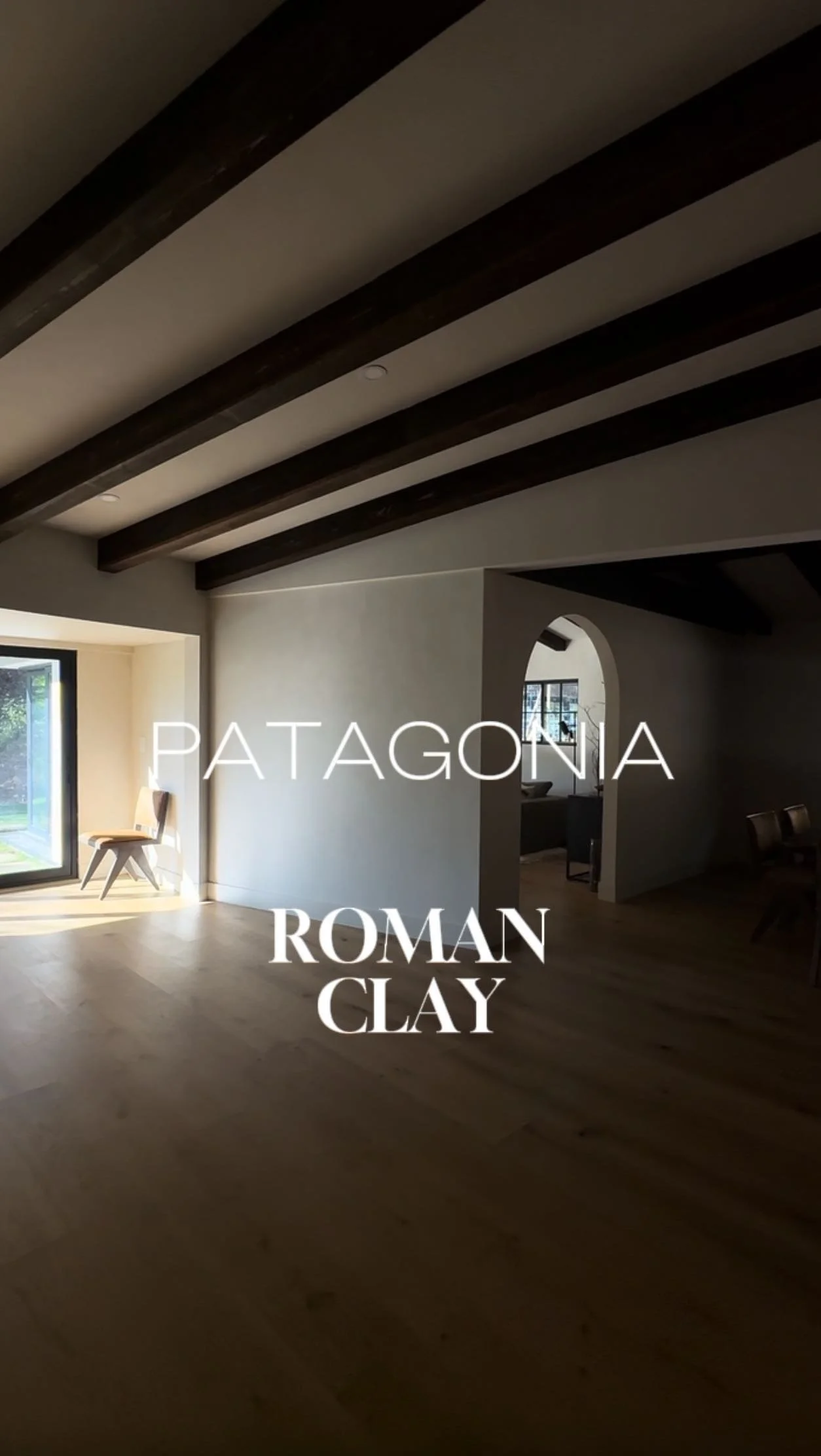
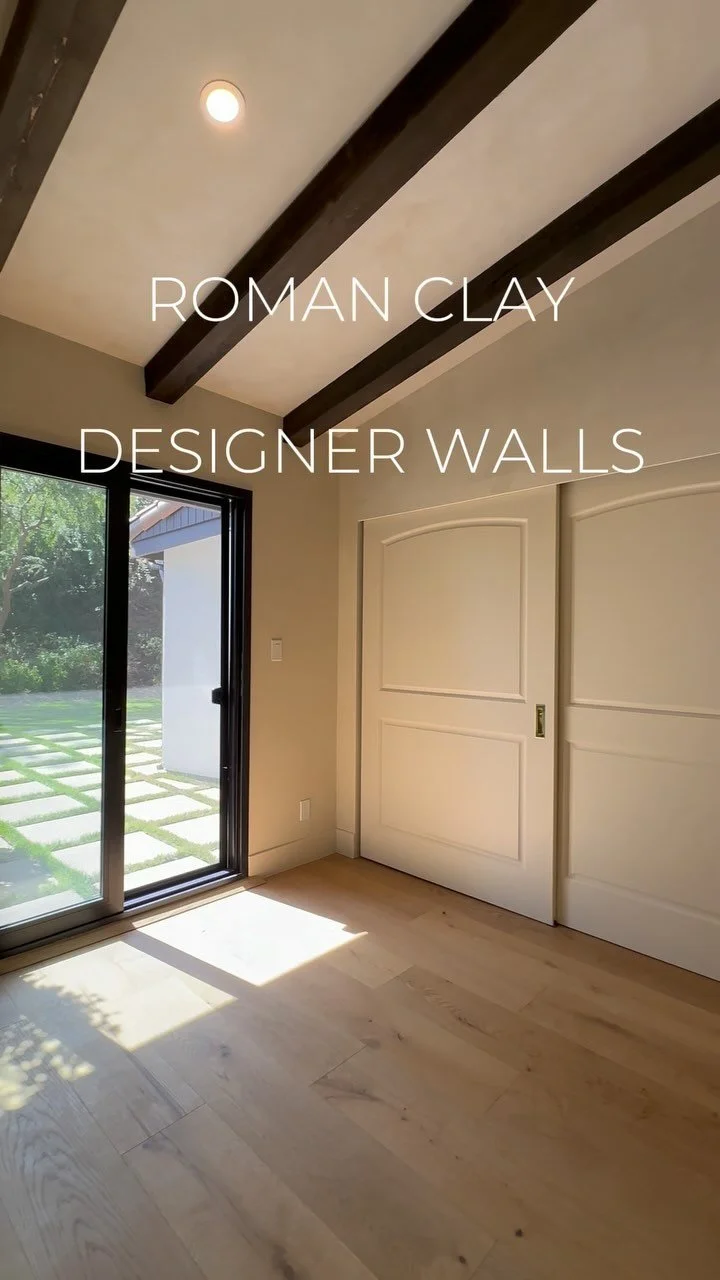
Roman Clay is thick. Mineral-based. A skilled Roman Clay painter builds soft movement into the wall layer by layer. The result feels sculptural, almost like the wall has its own quiet personality. It suits modern interiors well. The ones with clean lines, warm tones, good lighting.
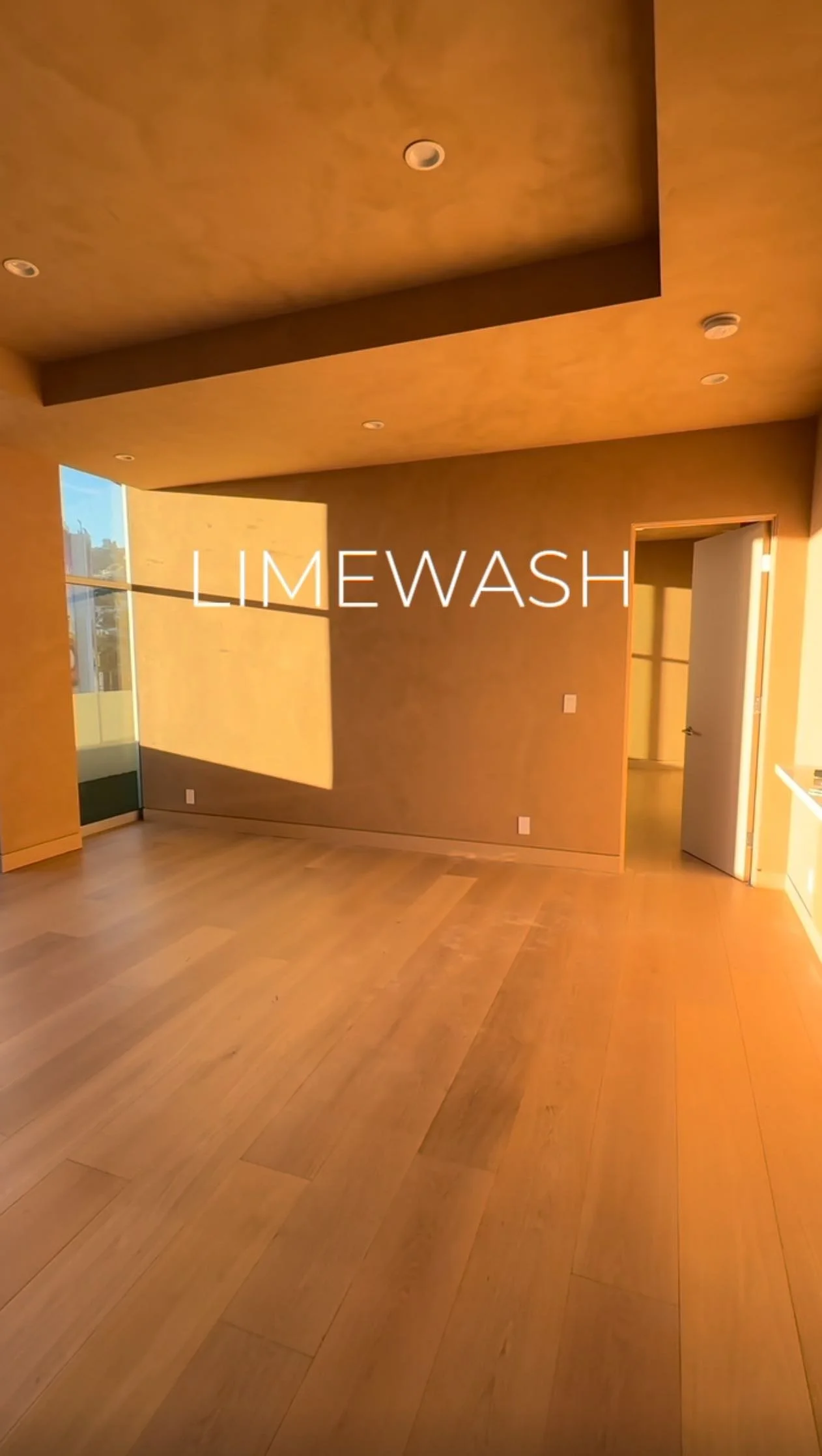
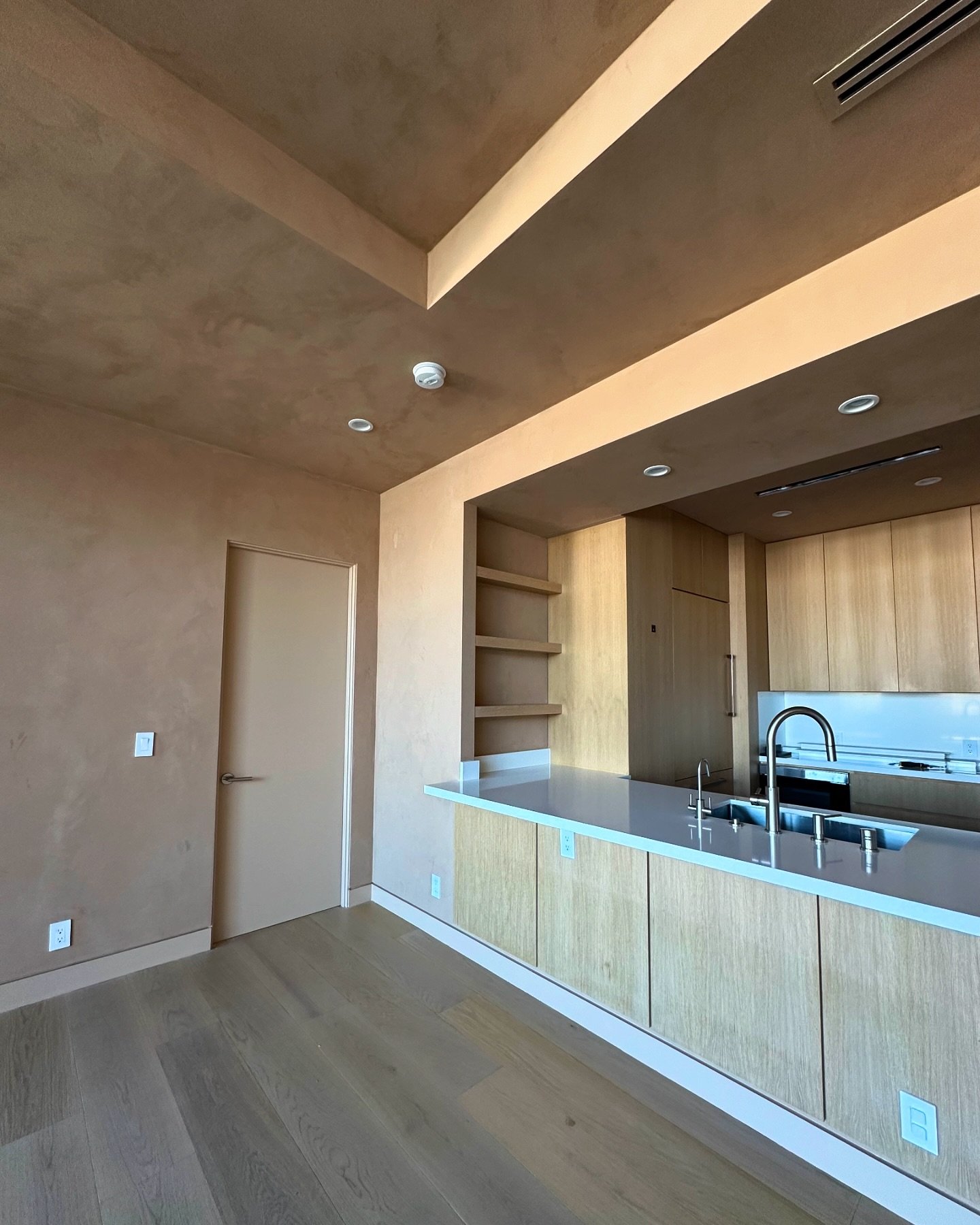
Lime Wash is older. Much older, actually. A Lime Wash painter uses diluted mineral paint that soaks into the surface rather than sitting on top. What you get is chalky, cloudlike and it shifts as the light moves through the day. Morning looks different from afternoon. That's the whole point.

Design-wise, Roman Clay reads more controlled. Contemporary. It belongs in curated rooms with custom millwork and architectural fixtures. Lime Wash pulls romantic. Organic. You see it in Mediterranean homes, soft European farmhouses spaces that don't try too hard but somehow look incredible.
Both age well. That's a big reason designers reach for them over regular decorative paint which starts looking tired faster than anyone wants to admit.
When it comes to limewash vs Roman Clay which is better? Honestly, neither wins outright. Roman Clay gives you structure and modern polish. Lime Wash gives you atmosphere and a little history. Both turn plaster walls into something that goes beyond trends which is exactly the kind of staying power you see celebrated in Elle Decor and Vogue Living year after year.