Roman Clay vs Venetian Plaster
Roman Clay vs Venetian Plaster: Modern Minimalism Meets Old World Luxury
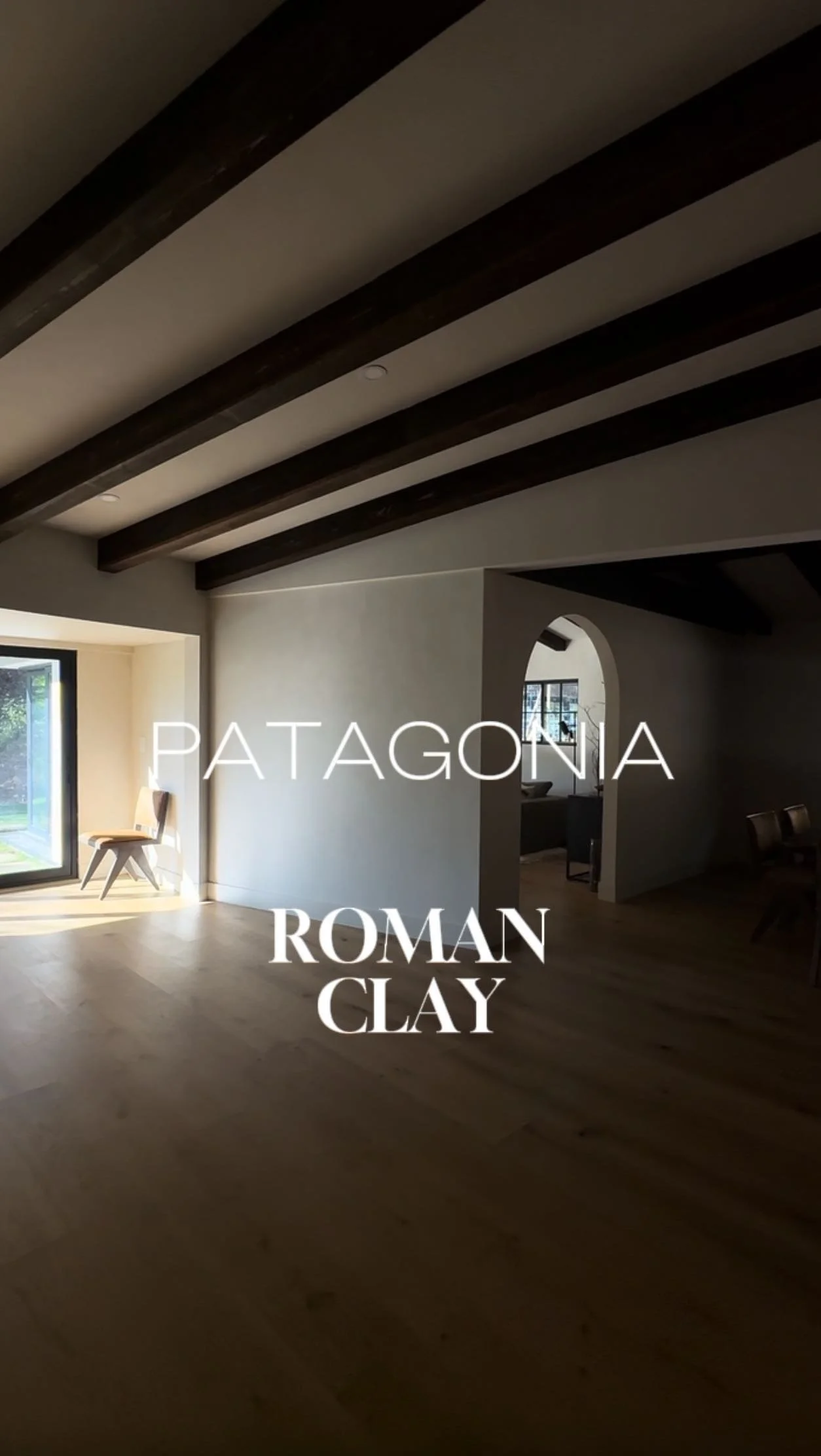
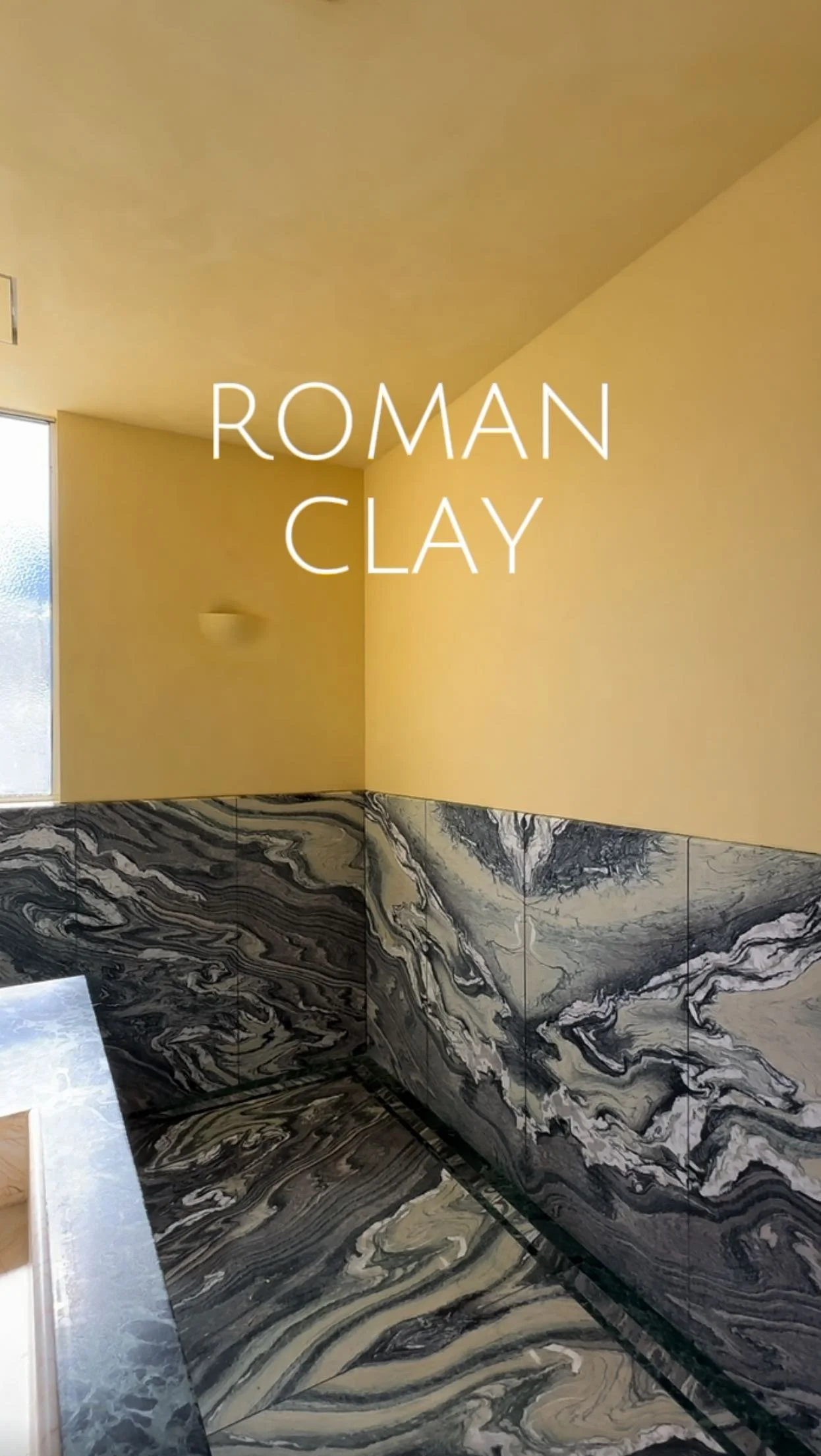
Roman Clay and Venetian Plaster are often compared, yet they serve very different design narratives. Venetian Plaster has long been associated with European palaces and classical interiors, while Roman Clay represents a newer, more restrained approach to plaster walls. Both are executed by highly skilled plaster artists, but the outcome and mood are distinct.
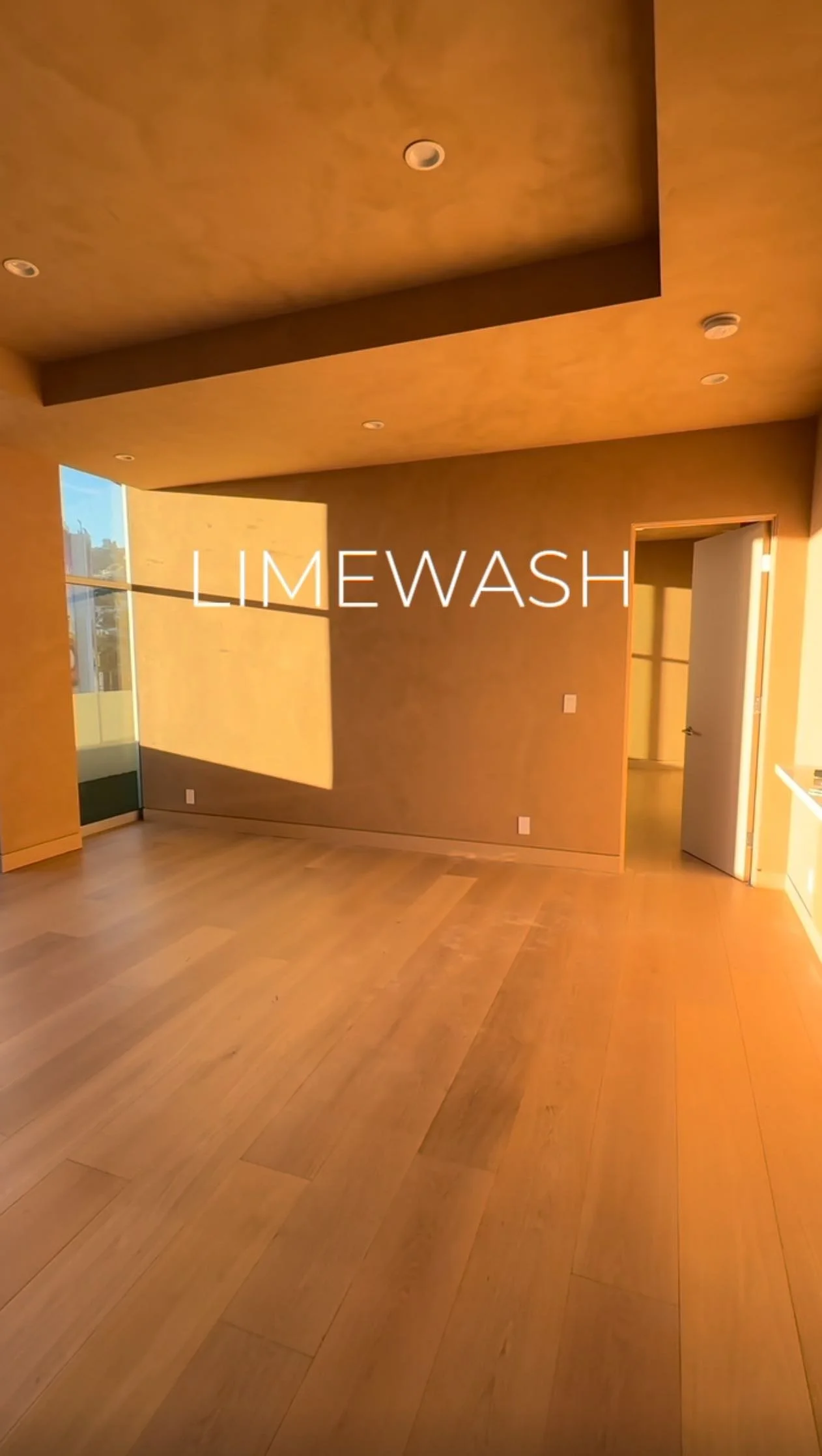
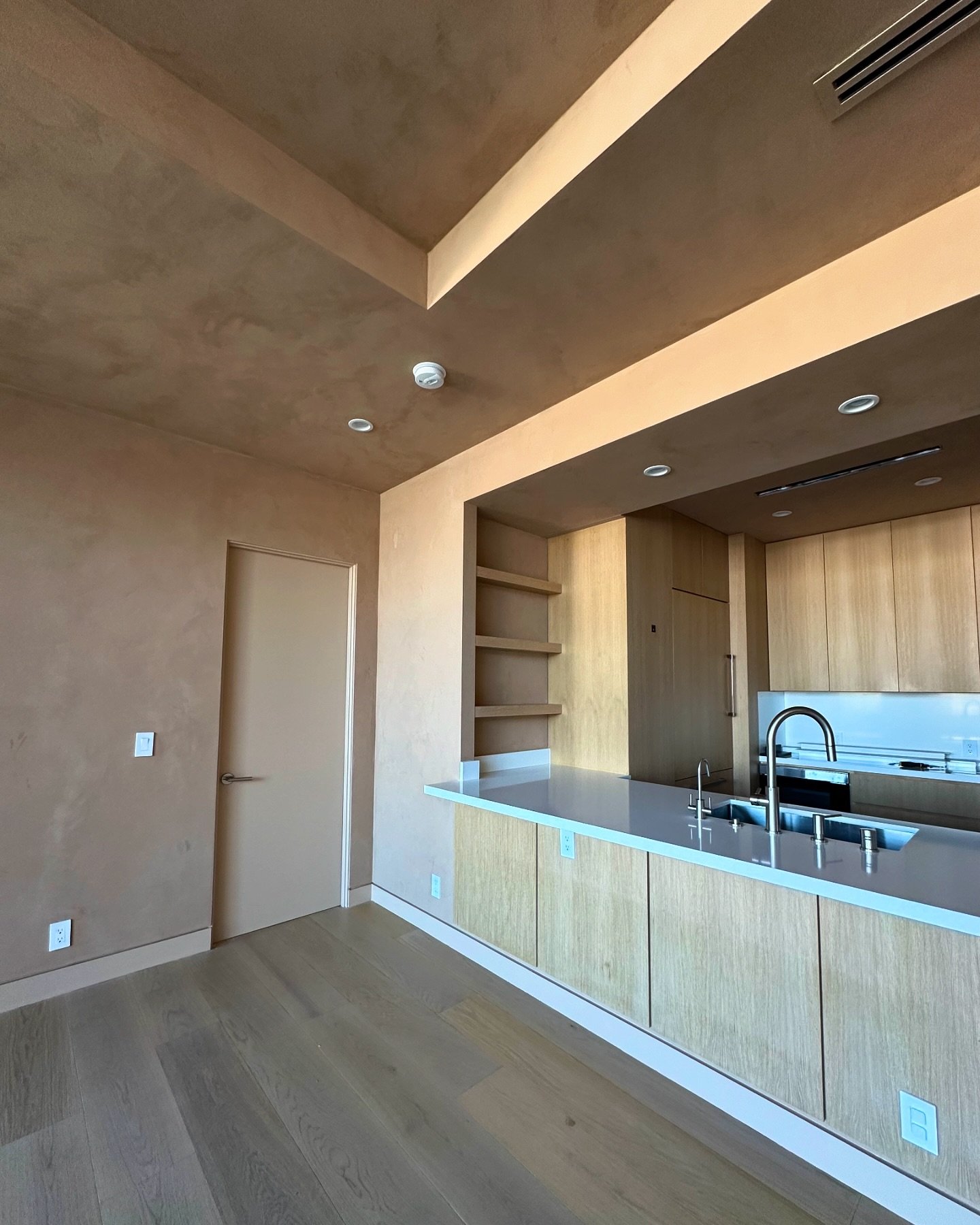
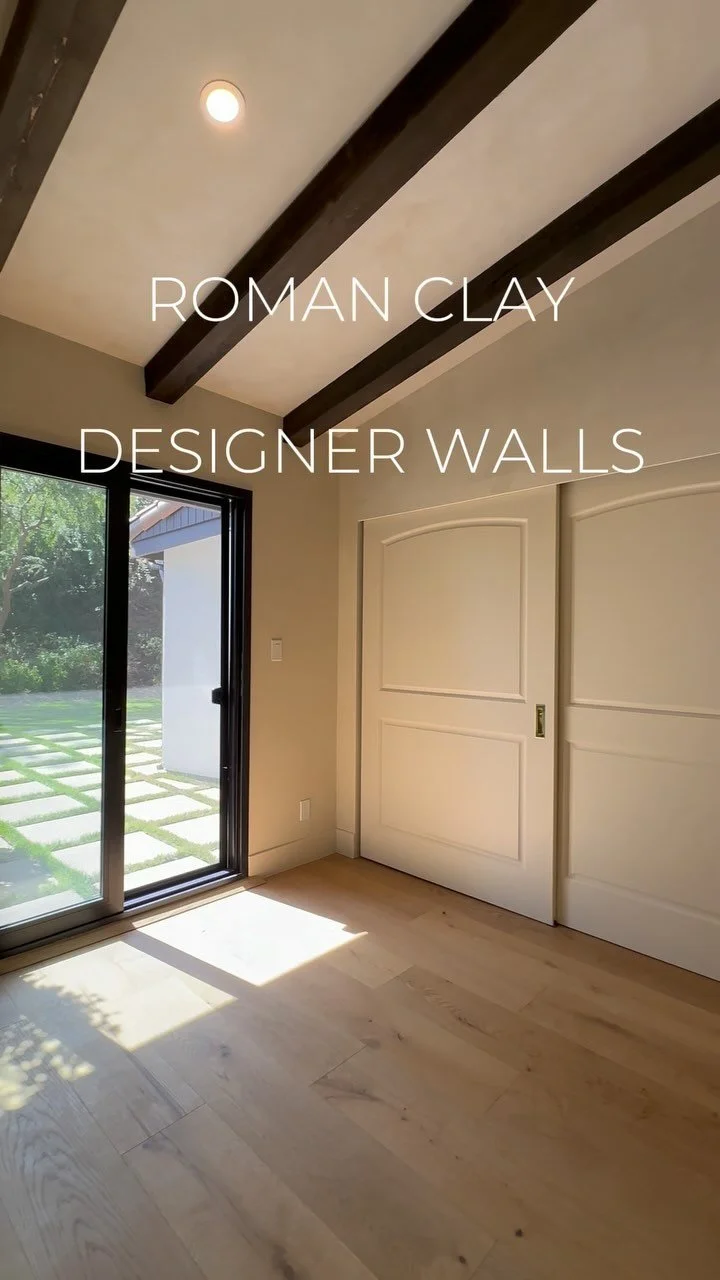
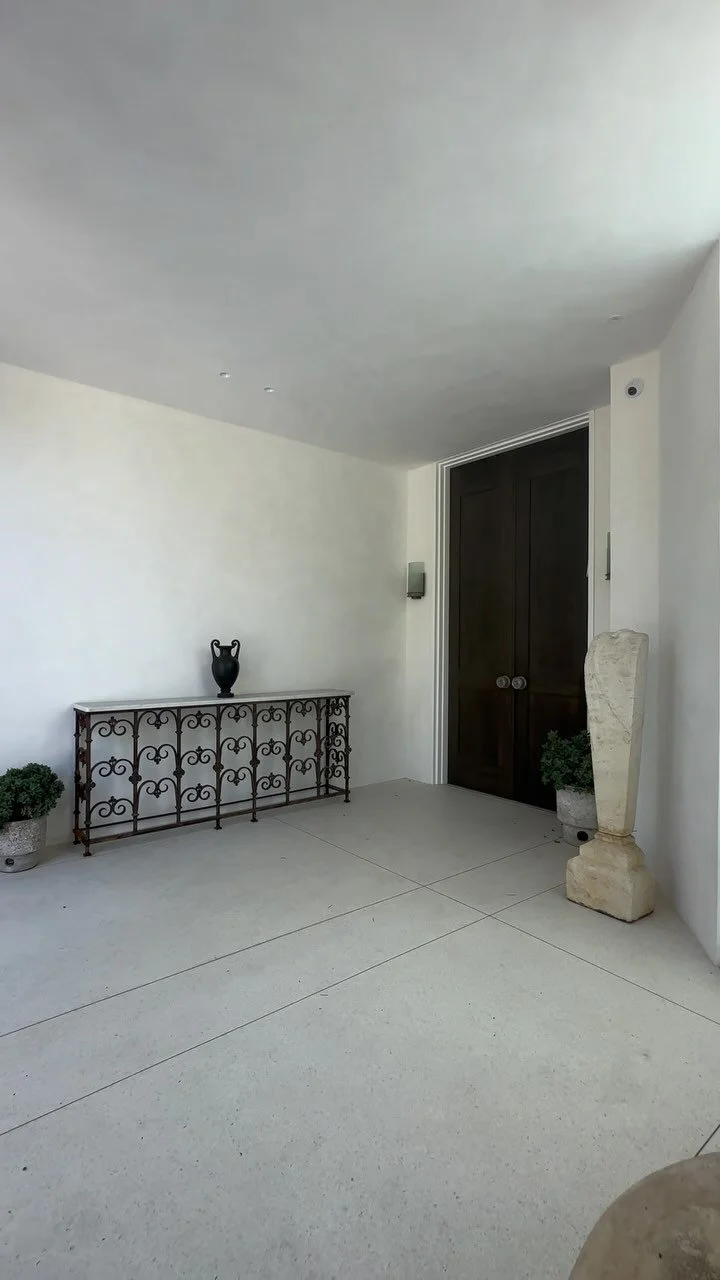
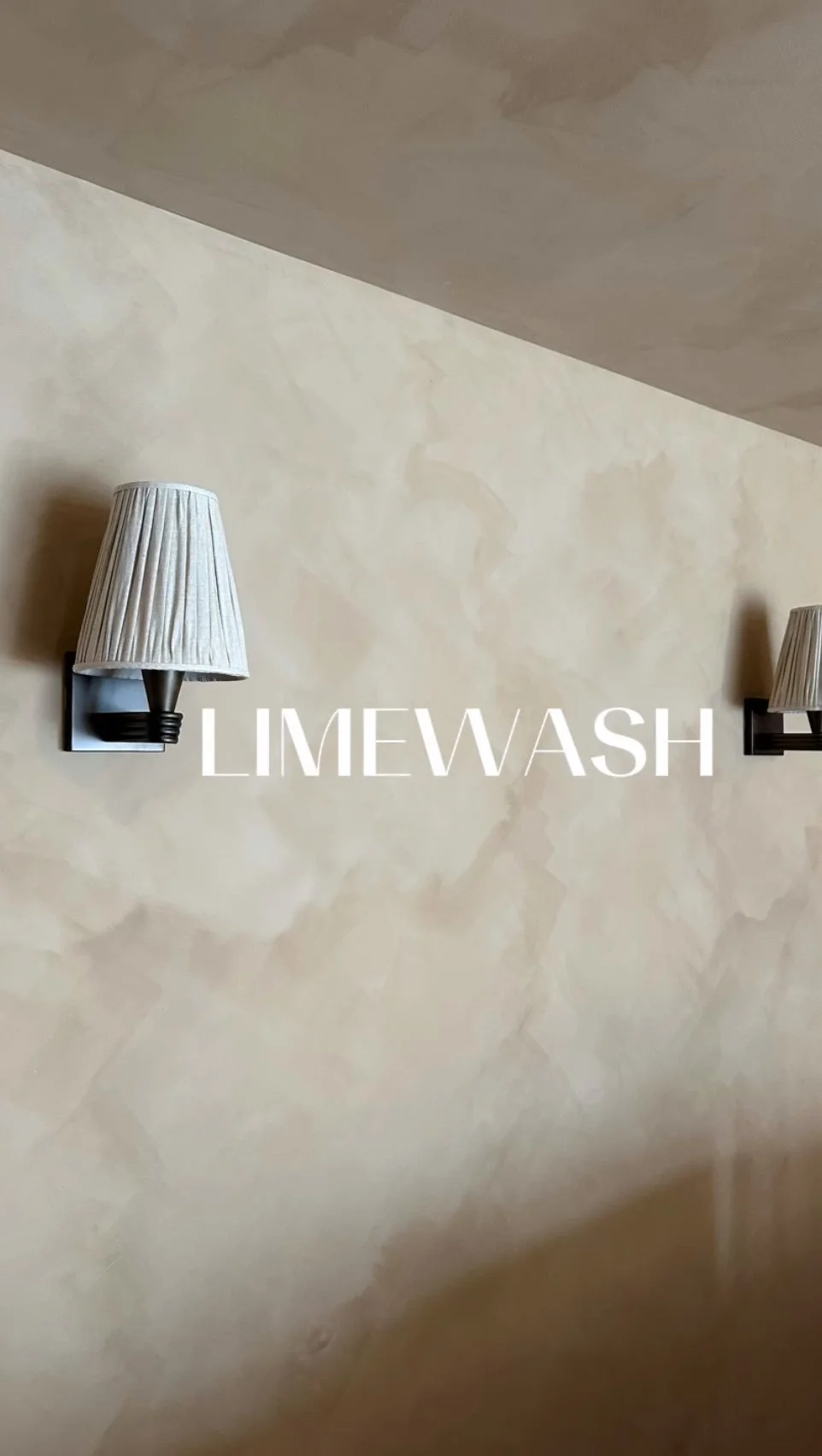
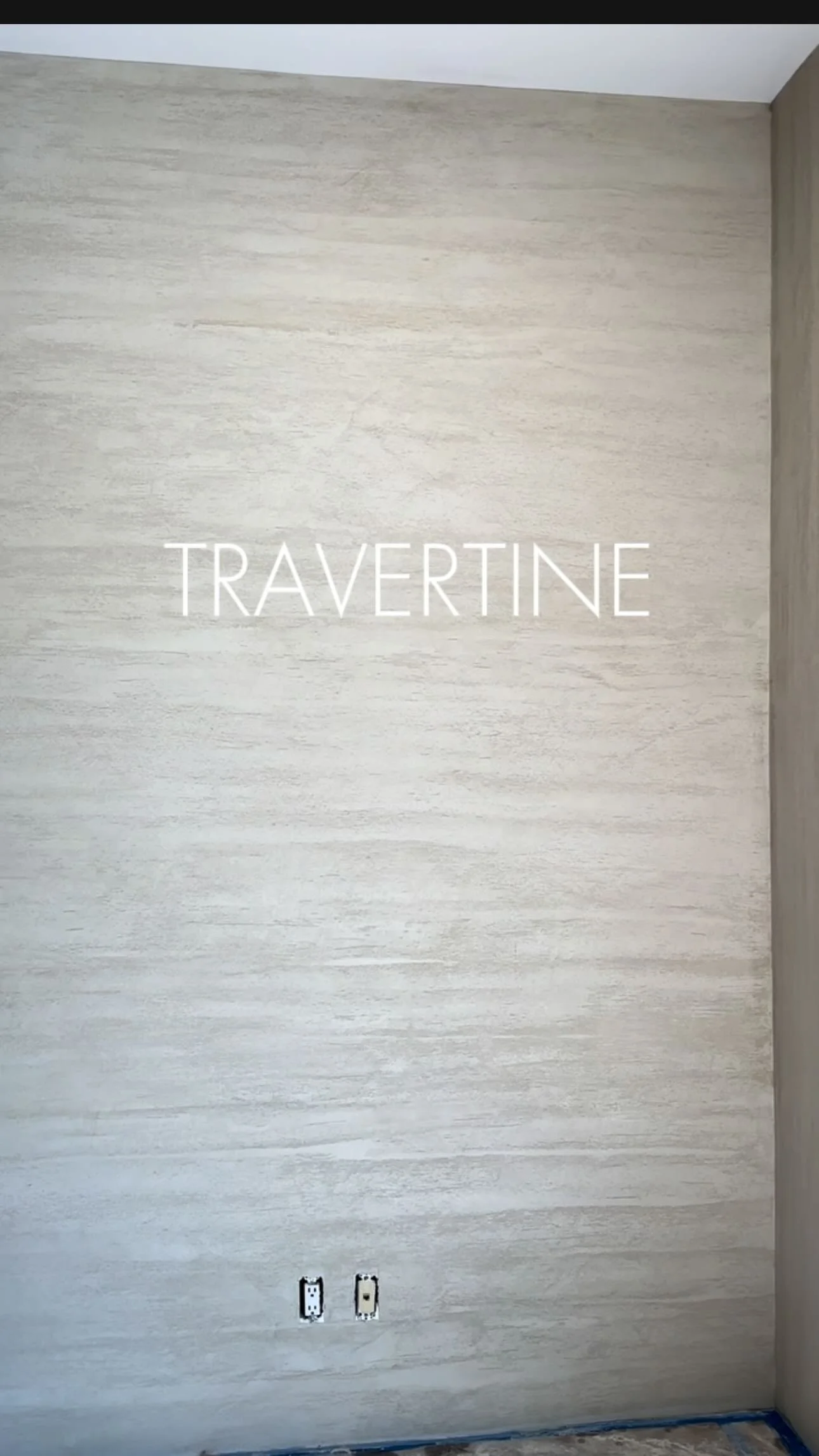
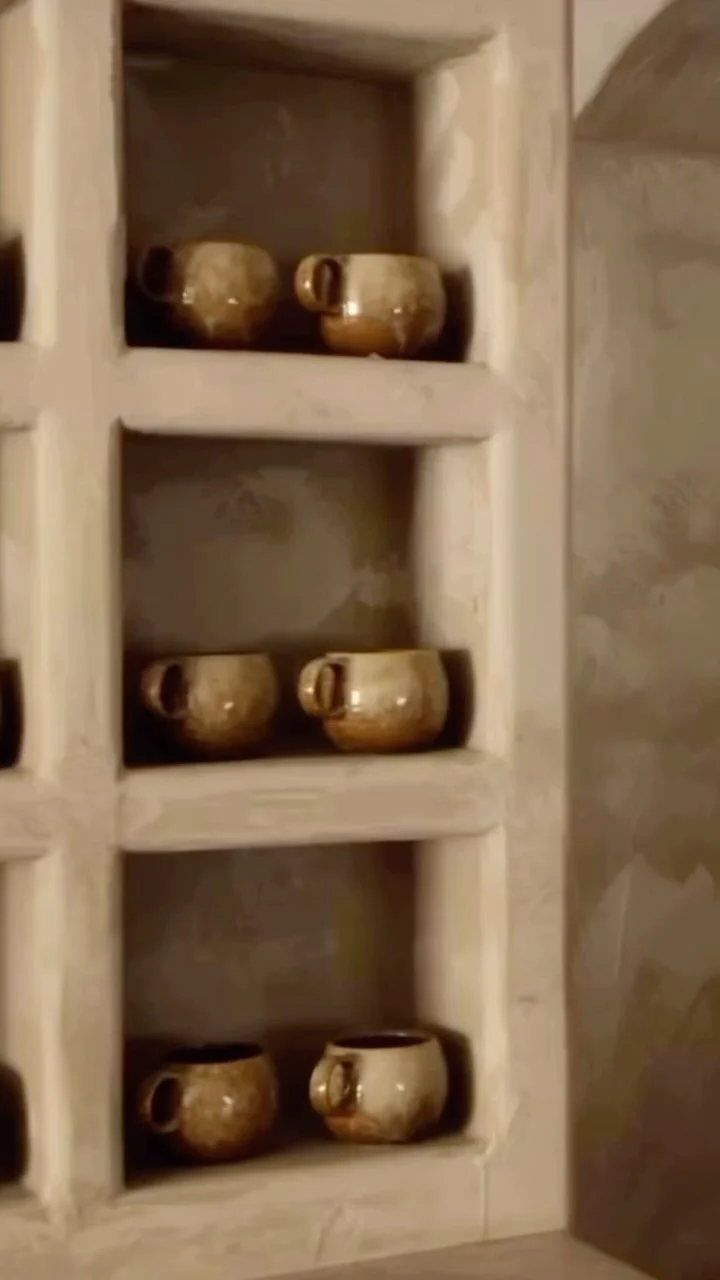
Venetian Plaster is known for its high polish and depth. Layered meticulously, it can resemble stone or marble when applied correctly. This finish reflects light and adds drama, making it a staple in luxury interiors featured in Architectural Digest. However, it demands precision and often leans formal. Roman Clay, by contrast, offers a matte, earthy finish that feels contemporary and relaxed. A Roman Clay painter uses broader movements, allowing texture to emerge naturally rather than chasing perfection.
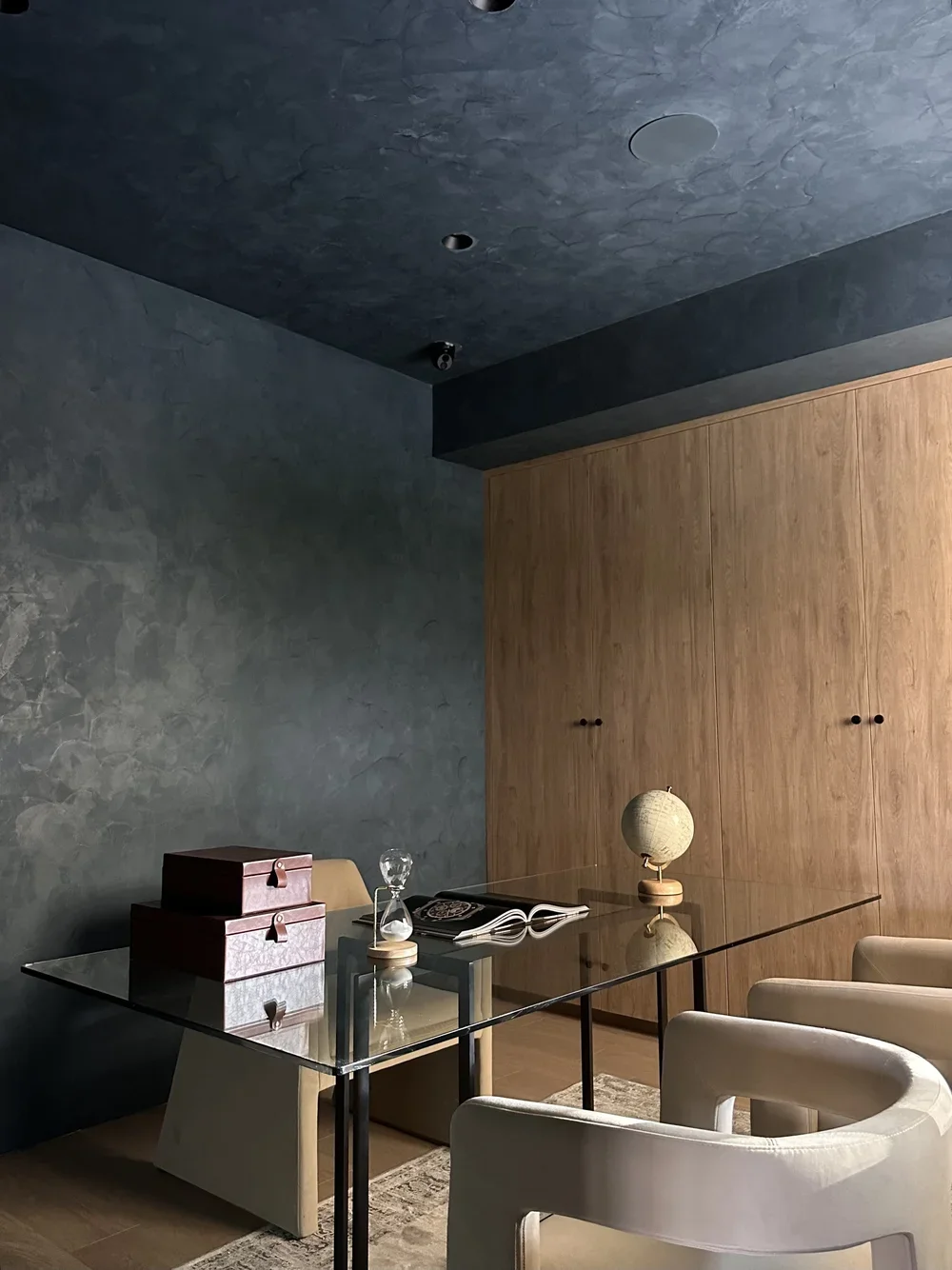
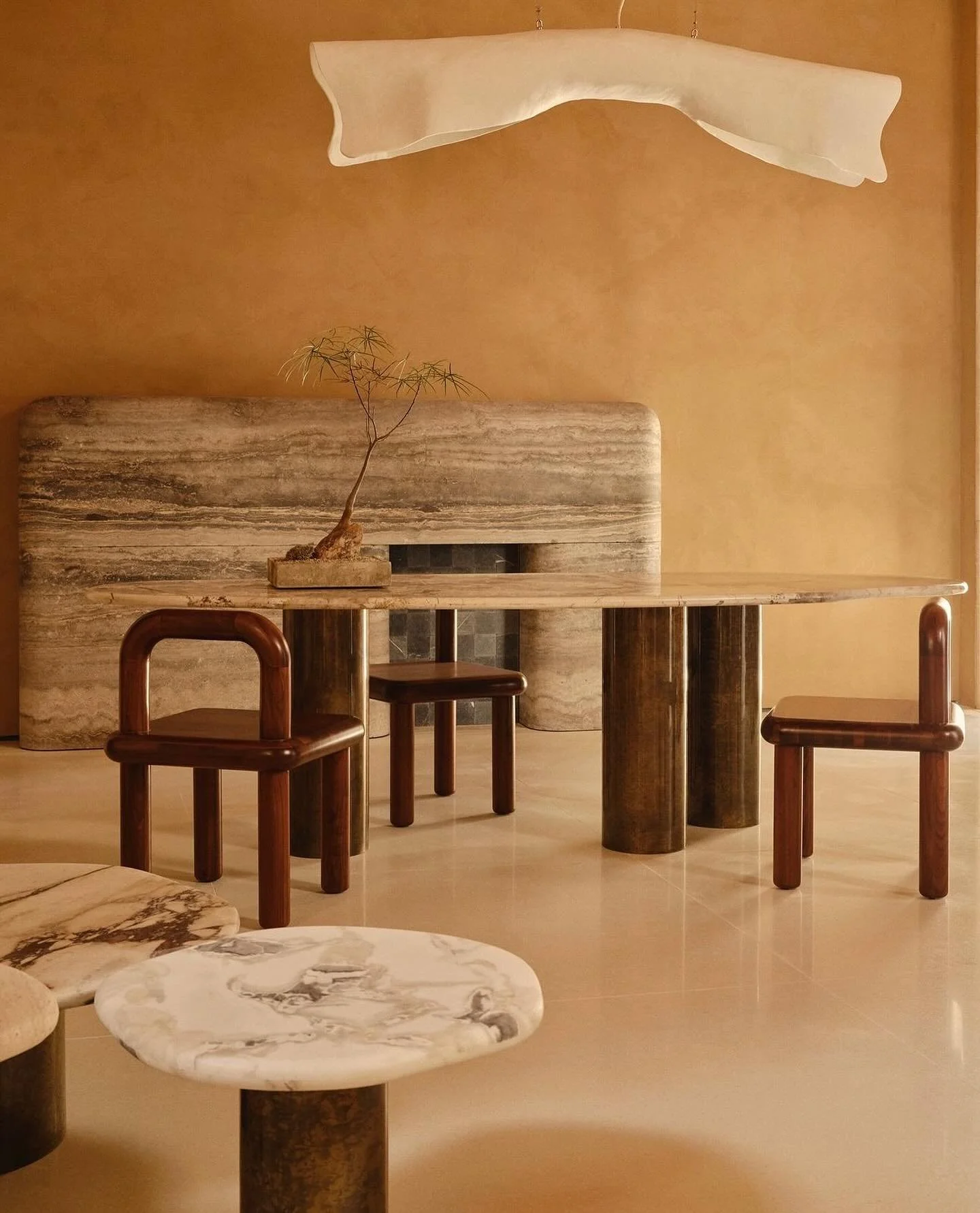
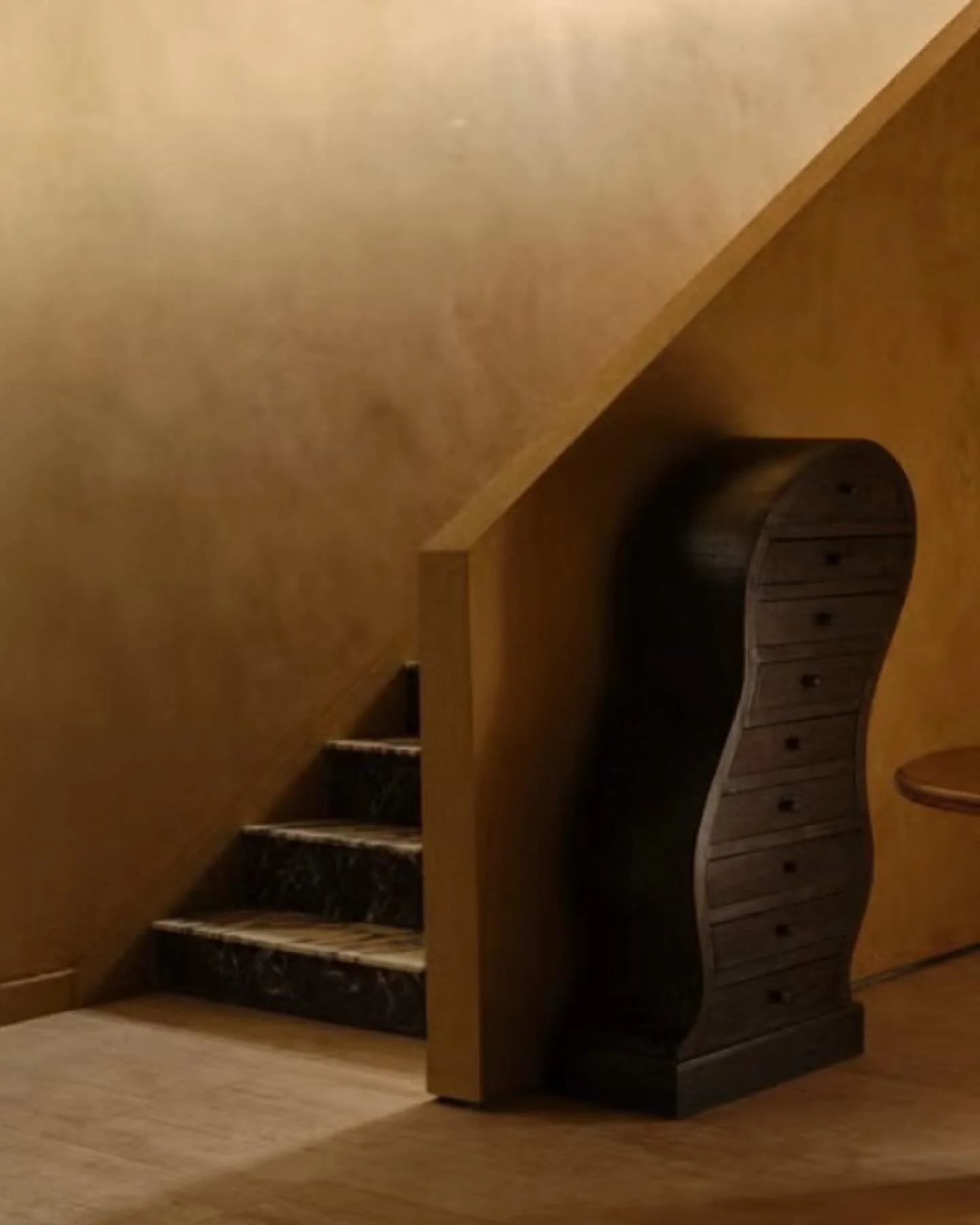
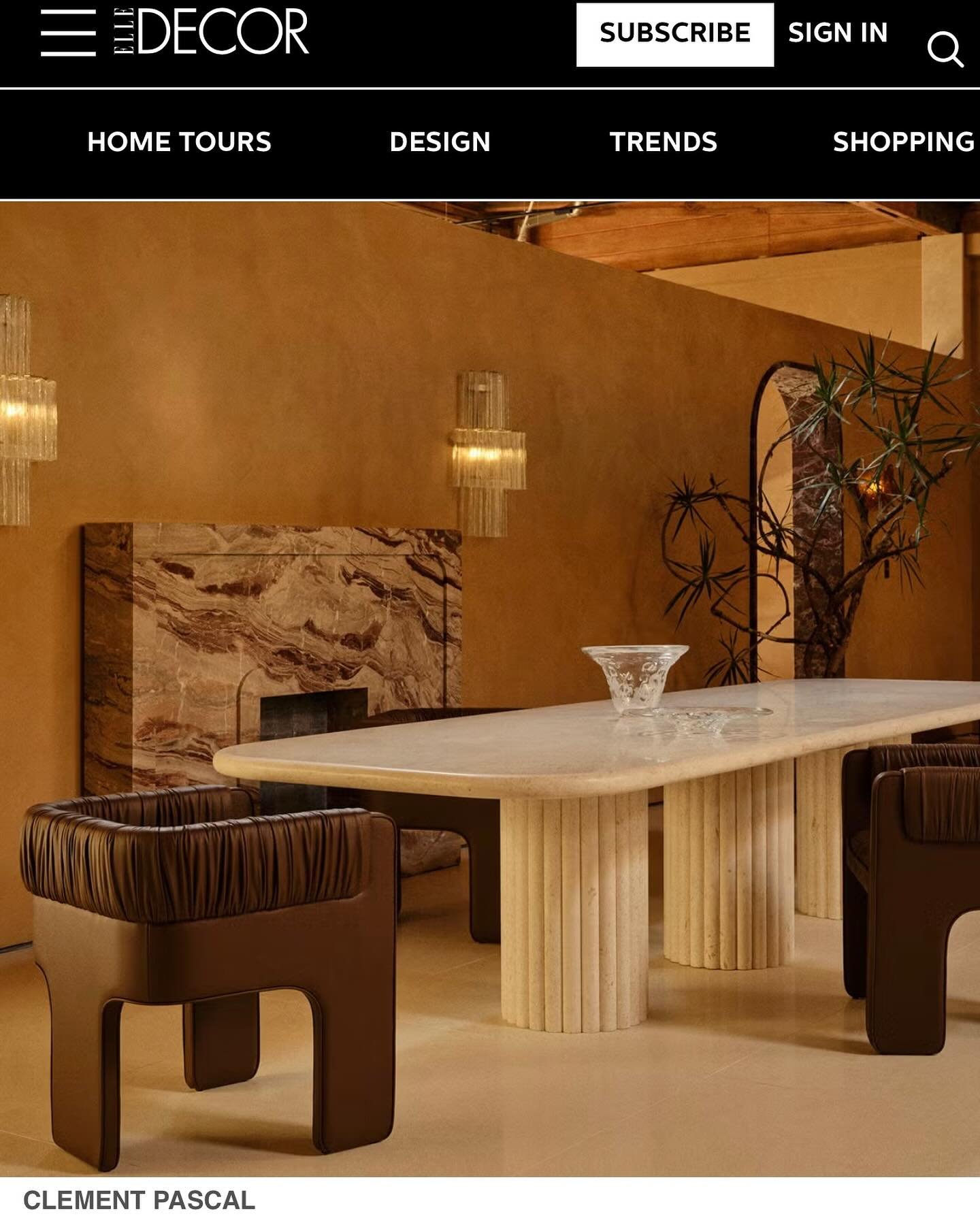
In modern interior design, Roman Clay is often preferred for residential spaces because it feels warm and understated. It pairs effortlessly with wood, linen, and stone. Venetian Plaster is still unmatched in formal spaces like grand entryways, powder rooms, or statement walls where drama is desired. Both finishes outperform traditional decorative paint by adding dimension and authenticity to plaster interiors.
The choice between Roman Clay and Venetian Plaster comes down to lifestyle. If you want walls that quietly elevate a room without overpowering it, Roman Clay is ideal. If you want a bold, luxurious statement rooted in tradition, Venetian Plaster delivers. Designers frequently mix both finishes within the same home, creating contrast while maintaining cohesion.